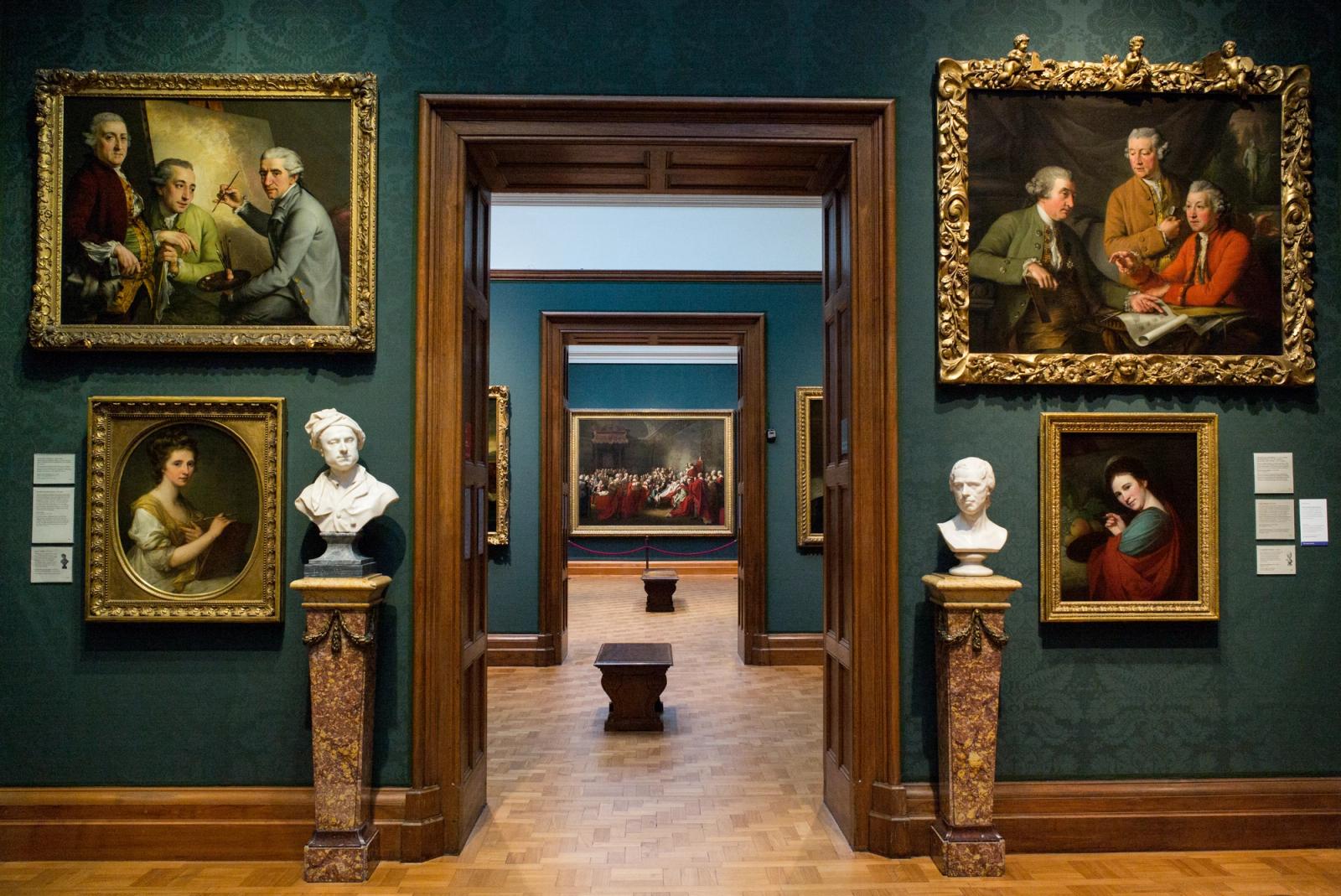
Art restoration is both a science and an art, requiring a delicate balance between preserving history and maintaining the artist’s original intent. The field has evolved over centuries, with advancements in technology allowing for more precise and ethical restorations. However, history has shown that even well-intentioned restoration efforts can sometimes go awry, leading to controversy and even irreversible damage.
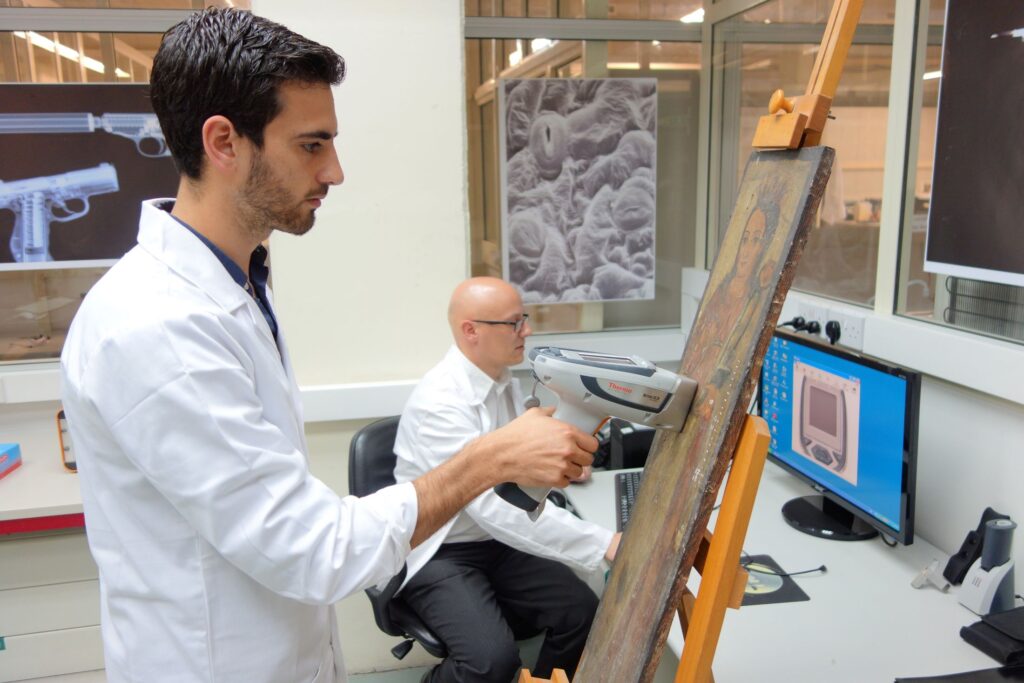
Restorers must grapple with ethical dilemmas: should a piece be returned to its original state, or should its aged appearance be preserved to reflect its historical journey? The goal is to maintain authenticity while ensuring the artwork remains accessible for future generations. With technological advancements such as X-ray fluorescence and infrared imaging, experts can analyse the underlying layers of a painting, revealing an artist’s process without physically touching the artwork.

Notable Restorations: Successes and Failures
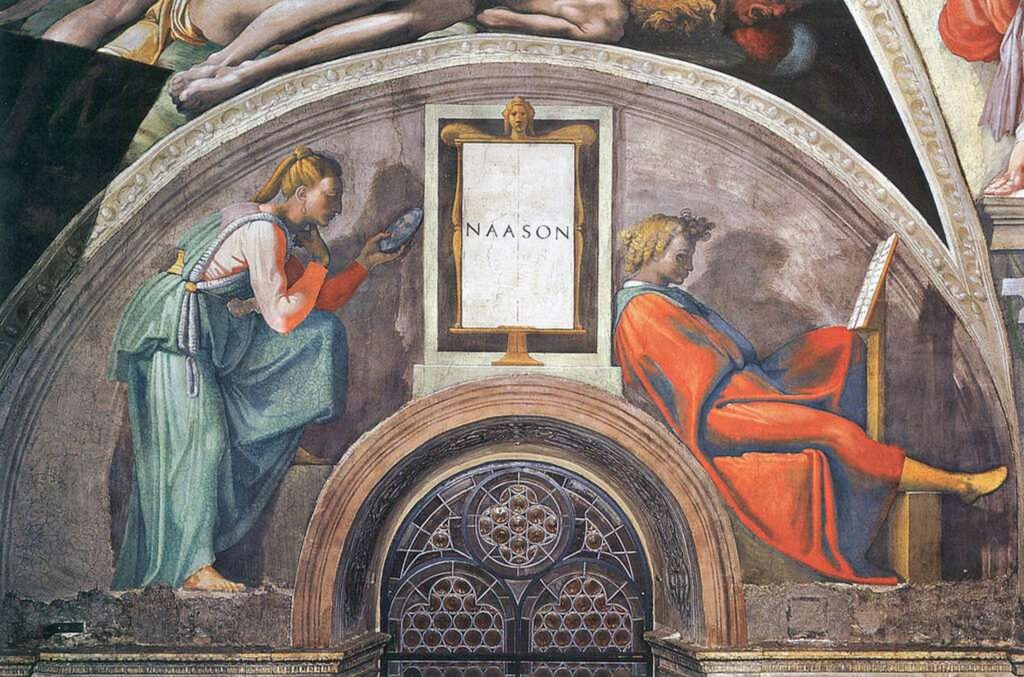
One of the most celebrated restorations is the work done on Michelangelo’s frescoes in the Sistine Chapel. Over the centuries, layers of grime and candle soot dulled the vibrancy of the paintings. In the 1980’s and 90’s, a meticulous restoration project revealed the original bright colours that Michelangelo had intended. However, the process sparked debate, with some critics arguing that the removal of layers also stripped away Michelangelo’s final touches.
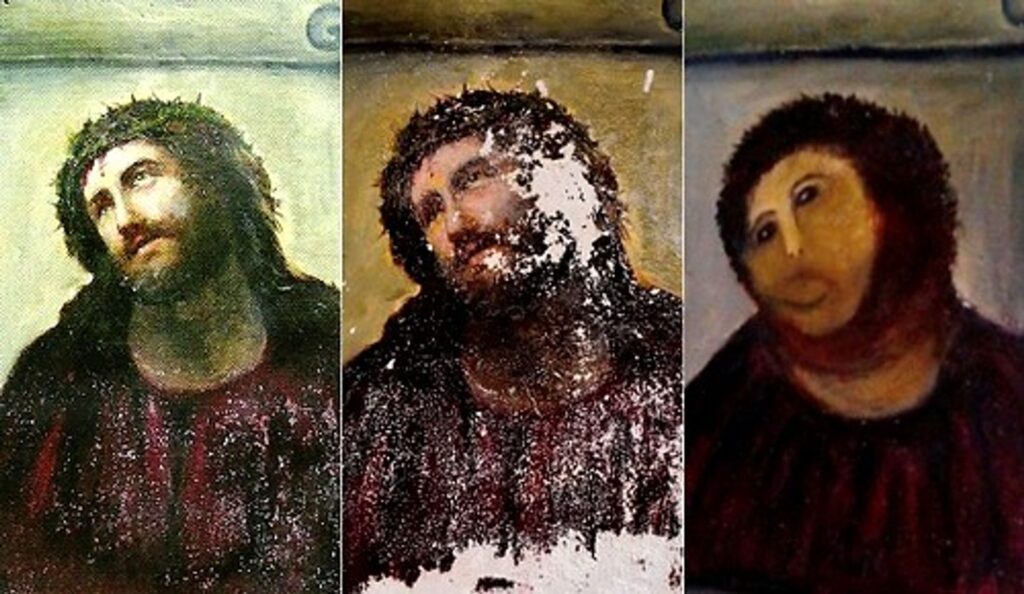
Conversely, some restoration attempts have ended in disaster. The infamous “Ecce Homo” fresco in Spain, also known as the “Monkey Christ,” is one of the most extreme examples of restoration gone wrong. An elderly parishioner attempted to restore a deteriorating fresco of Jesus, but the result was an unrecognisable, cartoon-like face. Though unintended, the botched restoration brought international attention and even increased tourism to the small town of Borja, Spain.
The Challenge of Materials and Techniques
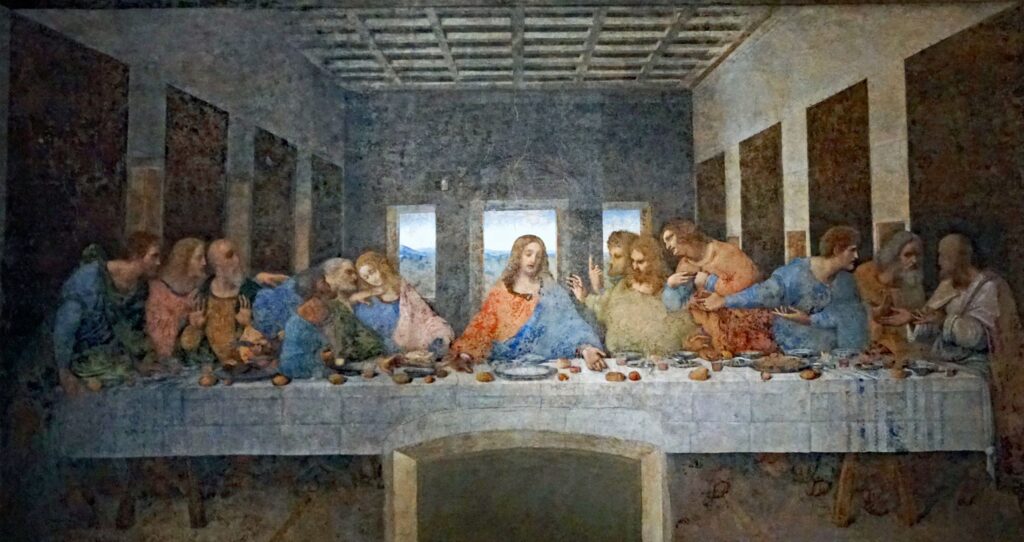
Restoration work must be reversible and non-invasive, ensuring that future experts can undo any modifications if needed. This principle is exemplified in the Leonardo da Vinci’s “The Last Supper” restoration, which took 21 years to complete. Due to previous overpainting and deterioration, restorers had to carefully remove non-original layers while preserving Leonardo’s delicate strokes. The final result was a painting that closely resembled the original while acknowledging the gaps in its history.
Modern restorers also face challenges in dealing with contemporary materials. For example, Mark Rothko’s murals at Harvard University, which had faded significantly due to light exposure, were restored using a revolutionary digital projection method. Instead of repainting the work, experts used light to replicate the original colors, ensuring that the murals remained untouched while still appearing as Rothko intended.

The Role of Restoration in New Discoveries
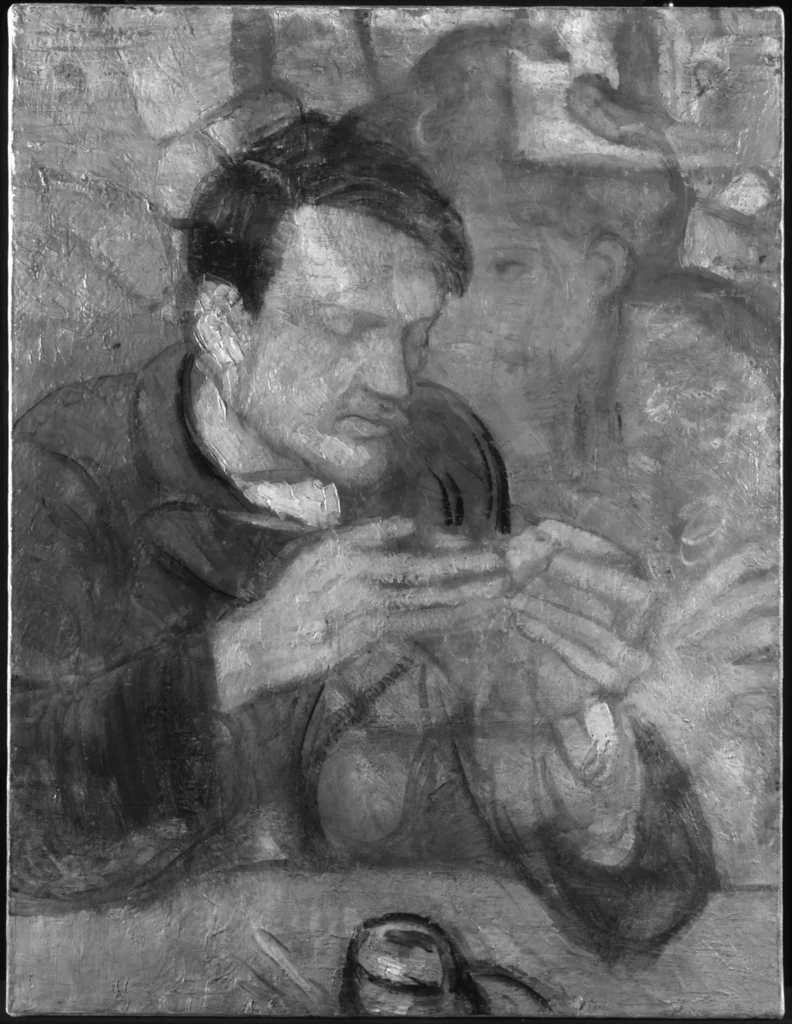
Restoration and conservation efforts not only preserve existing artworks but also lead to groundbreaking discoveries. Recently, conservators at the Courtauld Institute of Art in London uncovered a hidden portrait beneath Pablo Picasso’s 1901 painting, “Portrait of Mateu Fernández de Soto.” Using advanced infrared and X-ray imaging techniques, researchers found a mysterious female figure concealed beneath the surface, offering new insights into Picasso’s early Blue Period works. This discovery highlights how restoration projects can go beyond preservation, unlocking hidden layers of artistic history and deepening our understanding of an artist’s evolving techniques.
The Future of Art Restoration
Looking ahead, restorers continue to explore cutting-edge solutions. Artificial intelligence and nanotechnology are being integrated into restoration efforts, providing a new layer of precision and accuracy. In addition, the increasing awareness of conservation means that museums and collectors are taking proactive steps to prevent deterioration before restoration becomes necessary.
Art restoration remains a testament to human dedication to cultural preservation. Whether bringing new life to Renaissance masterpieces or rescuing modern works from decay, the delicate balance between conservation and restoration is a responsibility that requires both scientific knowledge and artistic sensitivity. As technology continues to advance, the hope is that future generations will be able to experience art as close as possible to the way its creators envisioned it.