Driving yourself has always held a certain romance. Not the windswept, hair-flowing sort seen in perfume adverts, but the practical, quietly satisfying business of pointing a car down a road and feeling it respond. There’s a particular pleasure in taking something like a Porsche 911 GT3 Touring onto an open stretch of tarmac at dawn. It’s precise, mechanical, honest. The sort of car that rewards a bit of skill and punishes distraction. While the Ferrari 812 GTS is louder, brighter and more theatrical, it offers a similar satisfaction: a reminder that even in an age of electric everything, there’s still something rather thrilling about a naturally aspirated V12 clearing its throat.
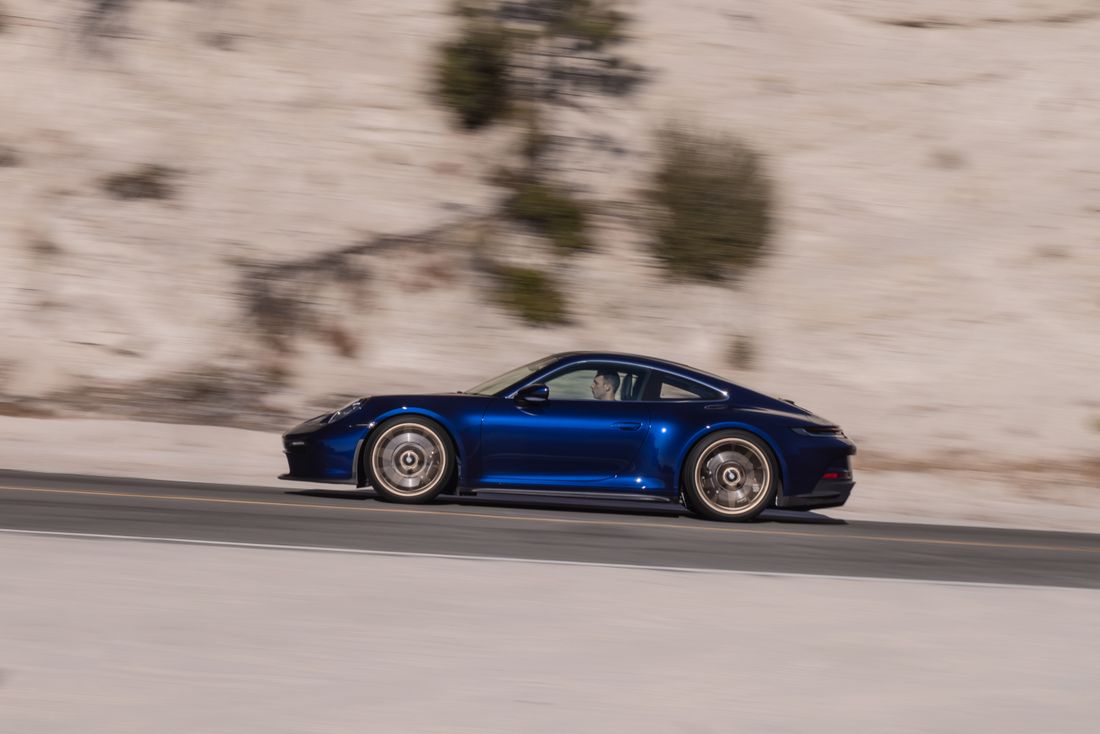
Porsche 911 GT3 Touring
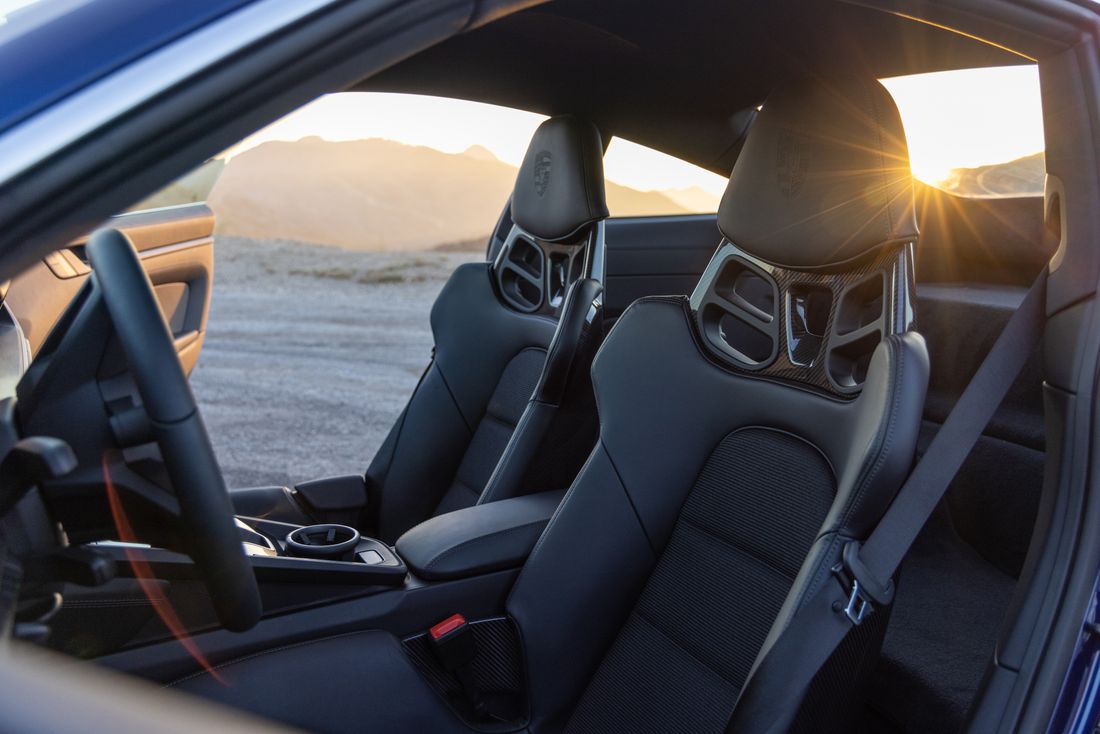
Interior of the Porsche GT3 Touring
These are the cars for people who enjoy the act of driving. People who plan routes based on scenery rather than efficiency, and who have, at least once, described a steering feel as “communicative” to someone who did not ask.
Of course, driving yourself comes with complications. Cities are not kind to the enthusiastic. A McLaren Artura may be brilliant on a winding road, but in central London it becomes a high-tech sculpture trapped between a taxi and a delivery van. And while spirited driving is all well and good in theory, real life introduces speed limits, cyclists, and the creeping realisation that your car is far wider than you remembered.
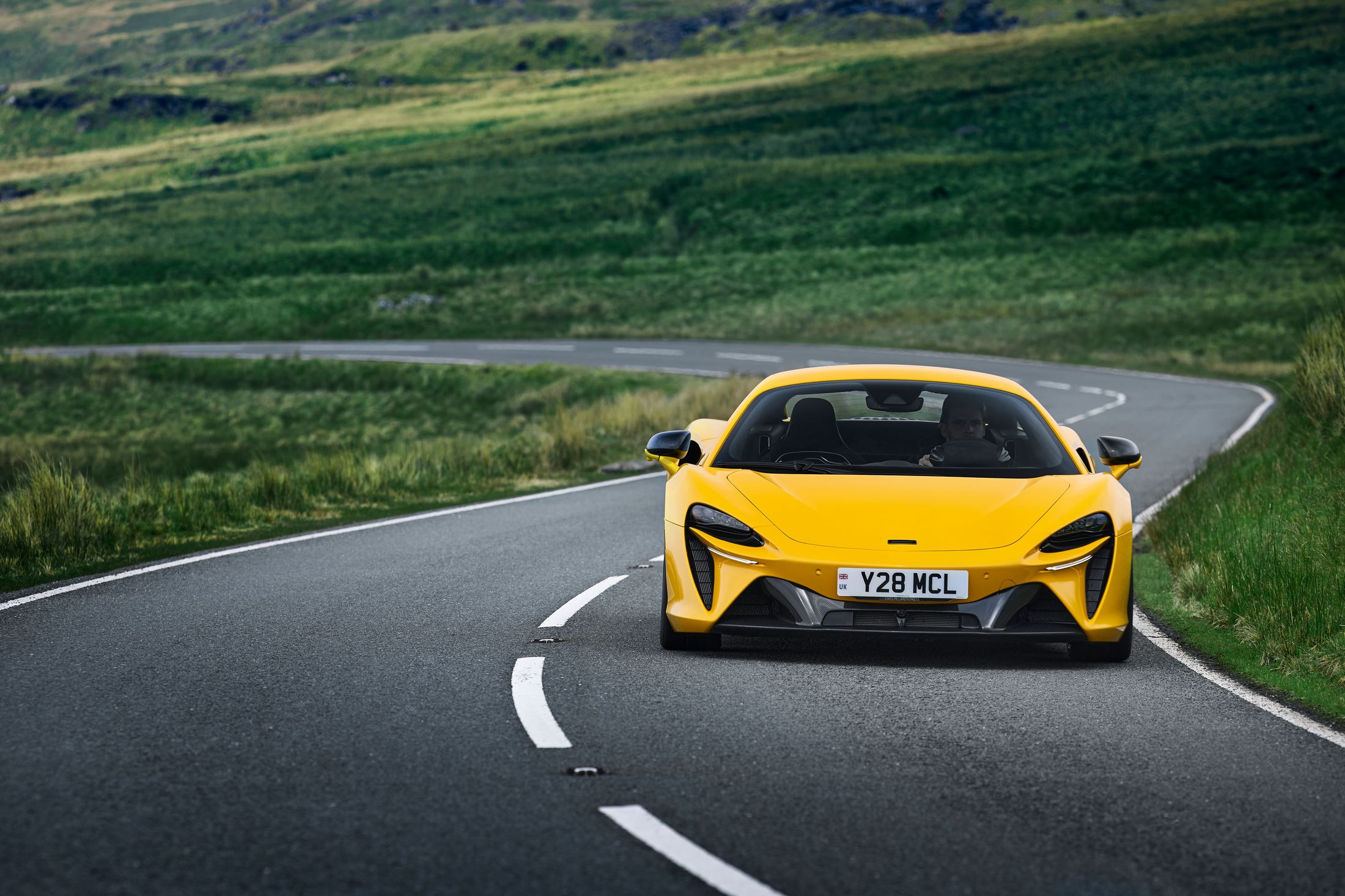
McLaren Artura
Which brings us to the pleasure of being driven. There is something undeniably civilised about sliding into the back seat of a car and watching the world pass by while someone else deals with traffic. A Rolls-Royce Phantom remains the gold standard for this—all smooth surfaces, hushed interiors and a ride so soft it seems to apologise for encountering a pothole. Meanwhile, the Maybach S680 has become a favourite among those who value efficiency: a place to catch up on emails, phone calls or simply the news without the stress of navigating roadworks.
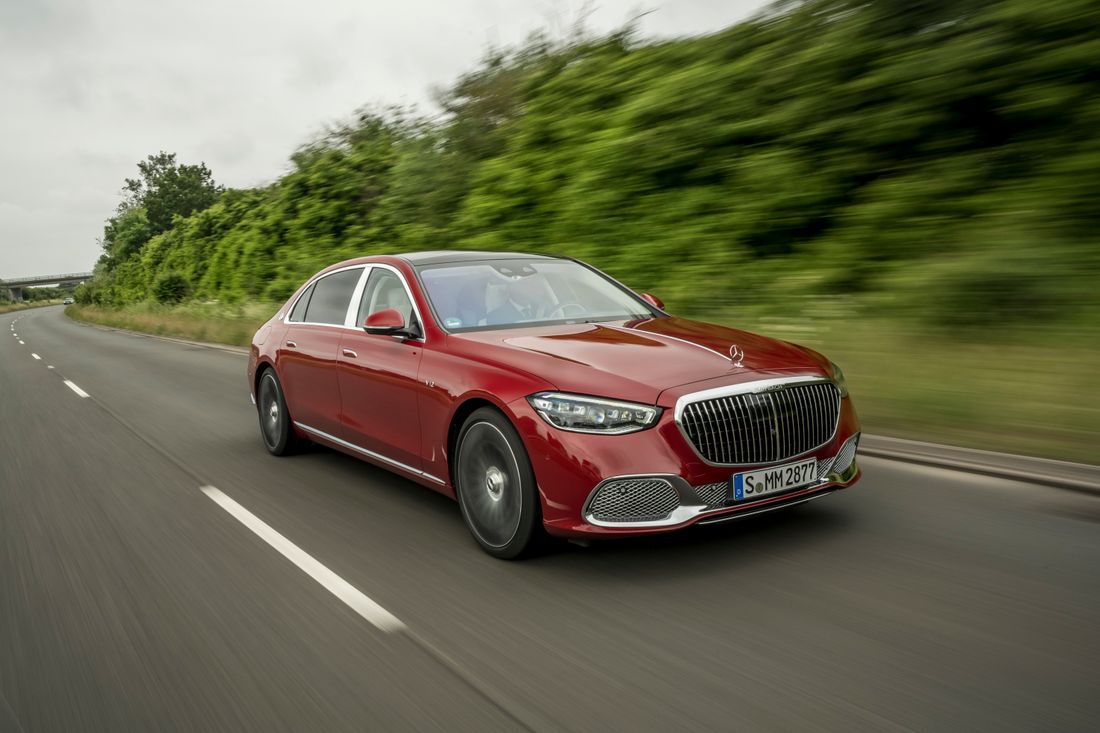
Mercedes Maybach S-Class
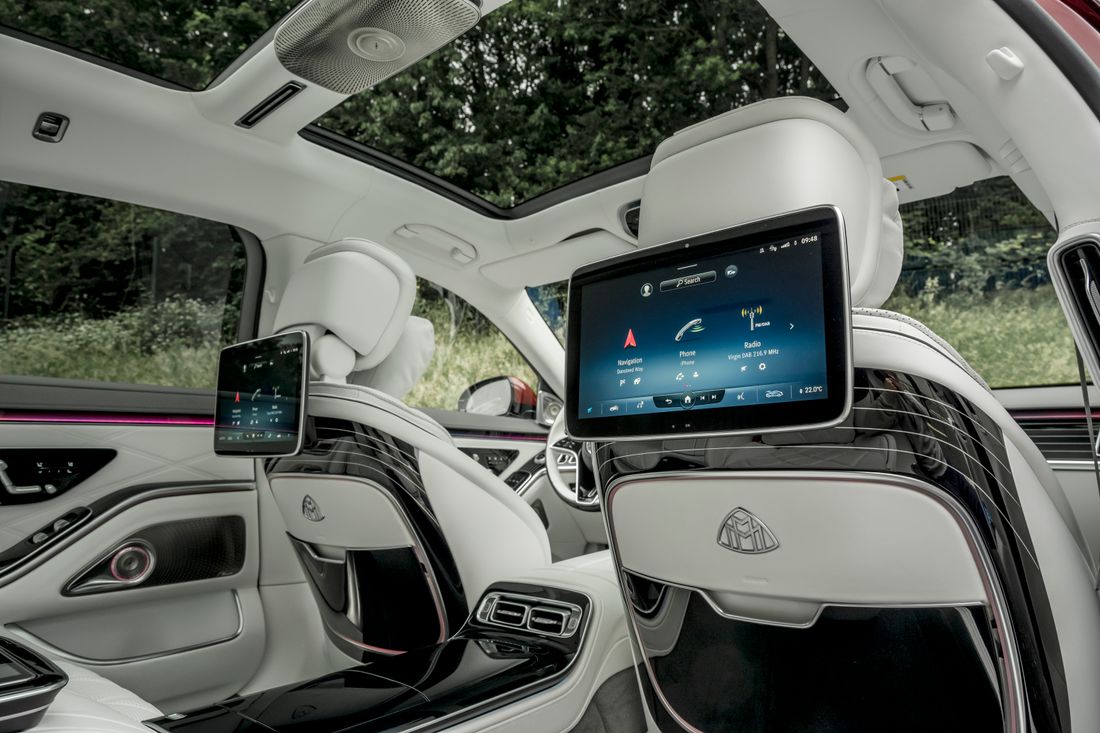
Interior of the Mercedes Maybach S-Class
Then there’s the Toyota Century, a masterclass in understatement. No flash, no bravado, just quiet comfort and craftsmanship. It’s the choice of someone who prefers their luxury delivered with a soft handshake rather than a brass band.
Being driven suits people who have accepted that modern roads are more battlefield than playground. Those who’d rather spend a commute reading the paper than wrestling with a steering wheel. It’s also practical: you can arrive at a meeting without looking like you’ve spent 40 minutes in a light aircraft.
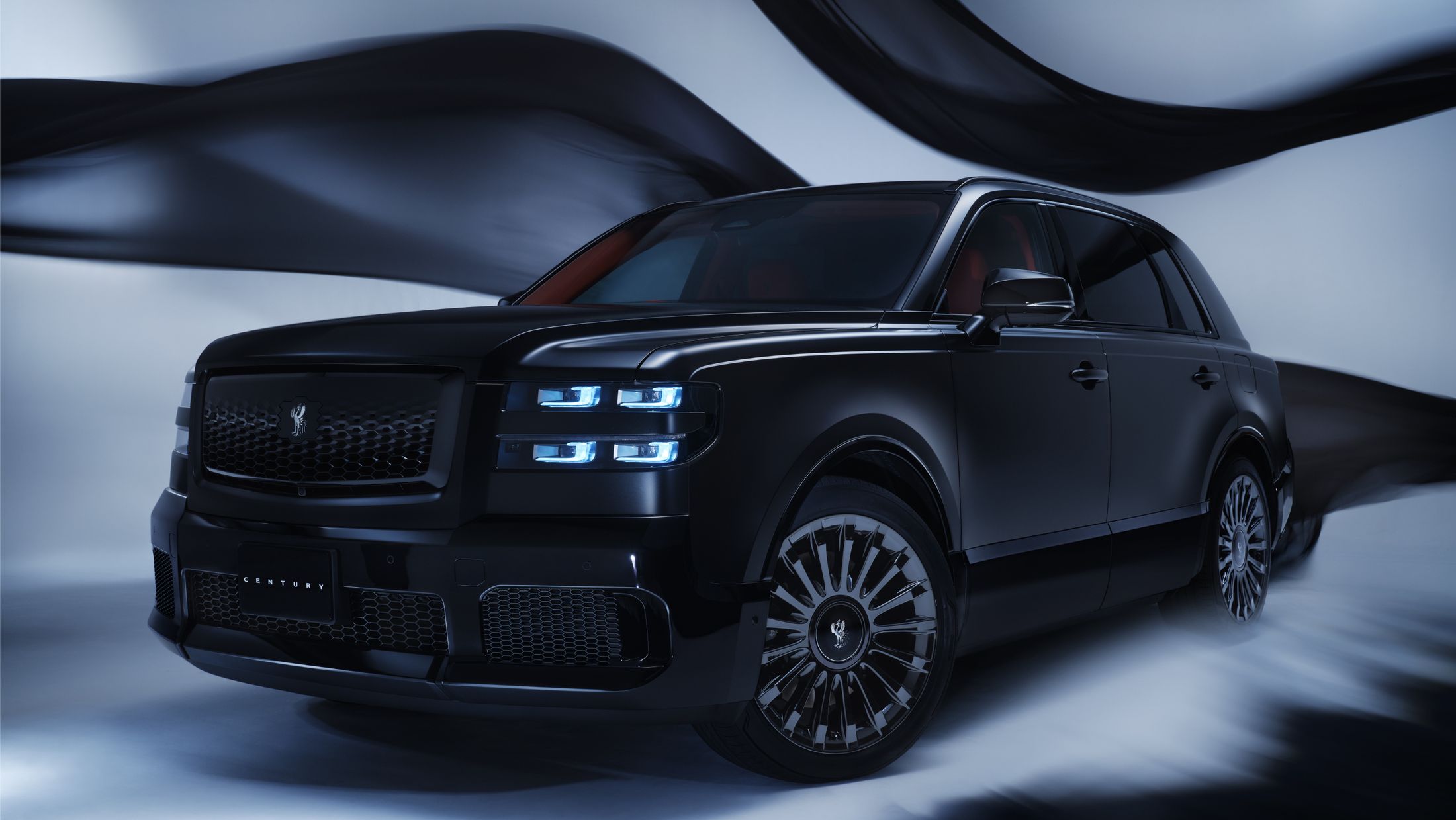
Toyota Century
Still, it’s not without its drawbacks. There is the slight loss of control, for one thing. And for those who enjoy the odd burst of spirited driving, sitting in the rear seat can feel a bit like being a spectator at your own journey. The experience becomes more about transition than engagement.
The decision, then, is less about status and more about temperament. Driving is for the days when you want to feel part of the world - its bends, its weather, its occasional frustrations. Being driven is for the days when you’d prefer life to come with a buffer. Many people, quite sensibly, choose both: the GT3 for the weekend escape, the Phantom or Maybach for a weekday when the diary is full and patience is limited.
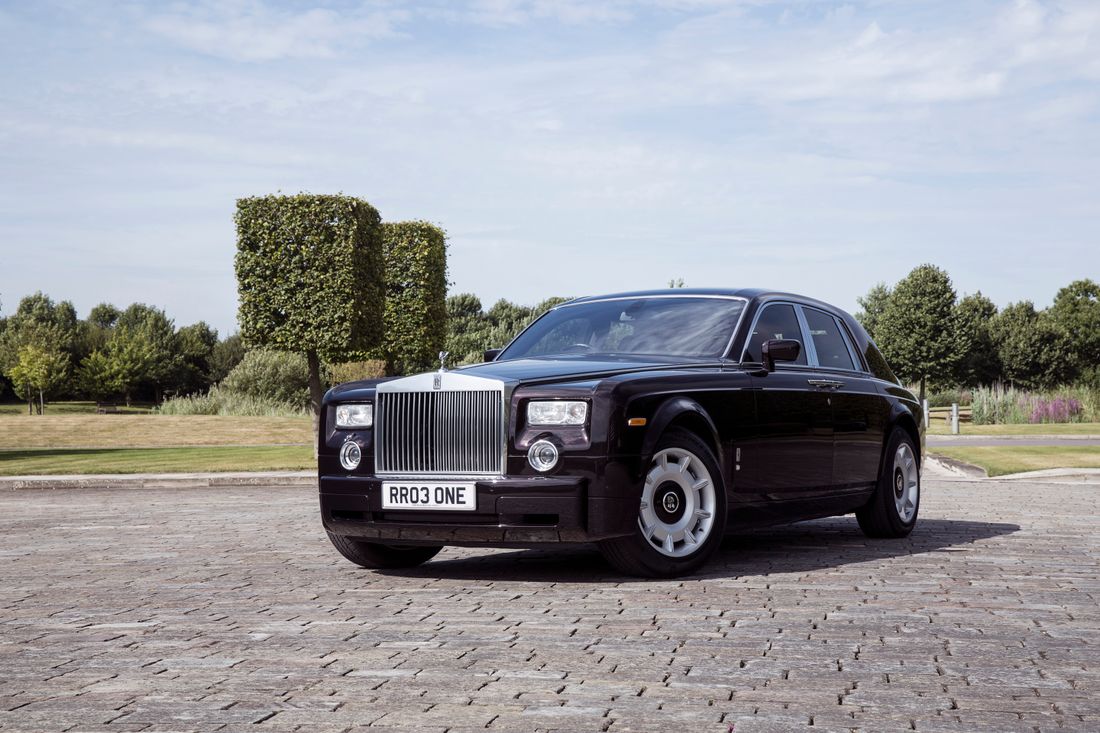
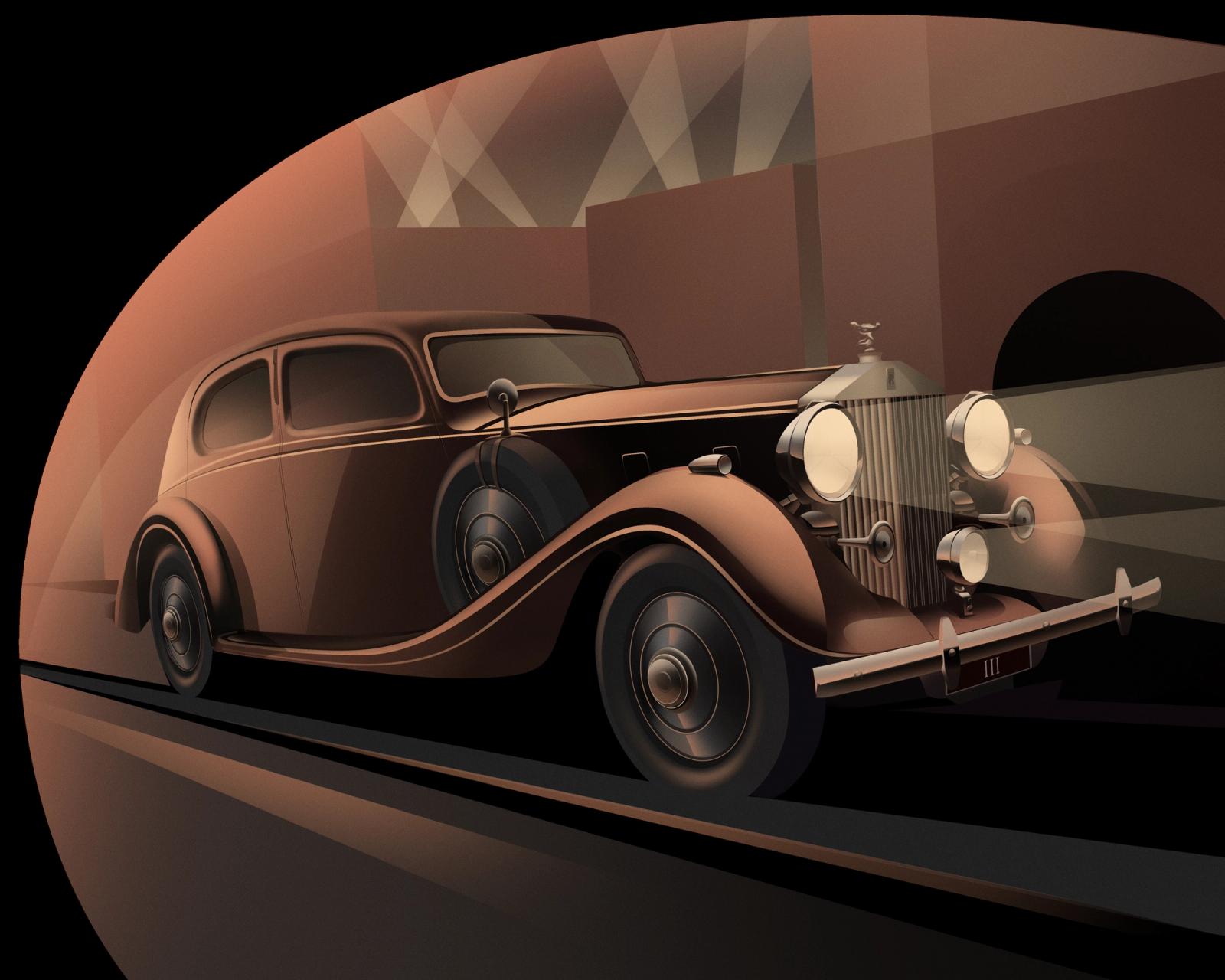
Rolls Royce Phantom
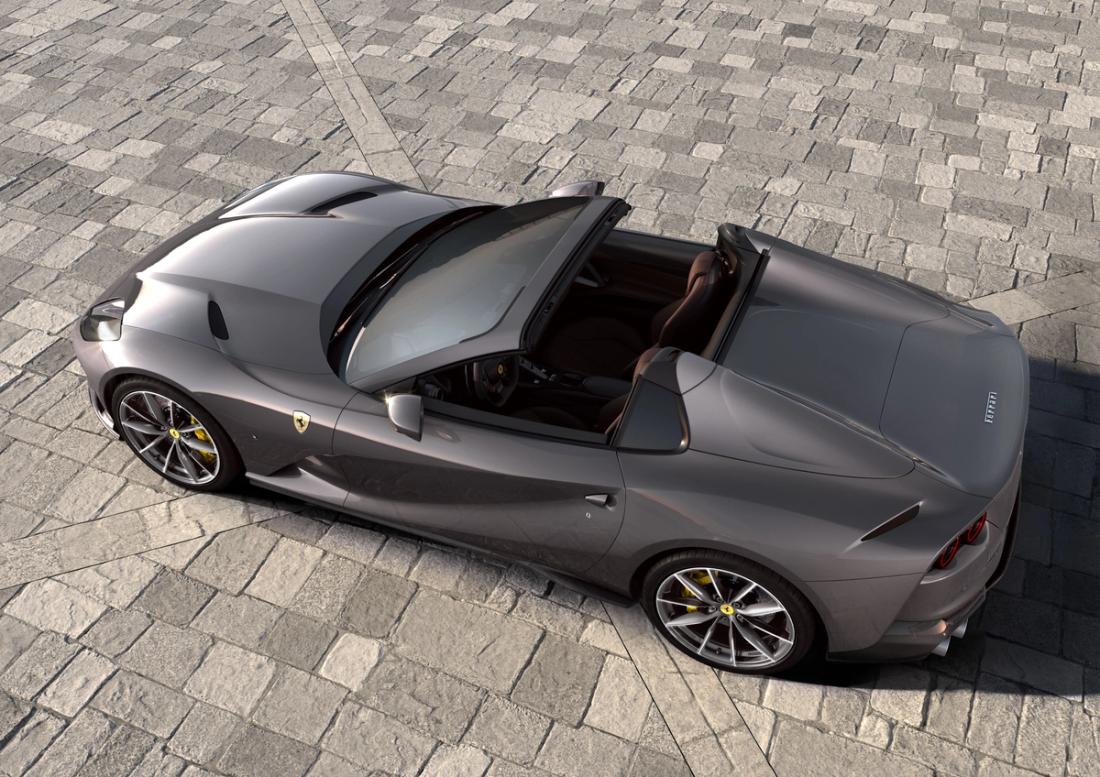
Ferrari 812 GTS
Perhaps the most sensible conclusion is this: driving yourself is a pleasure, but so is not driving yourself. Motoring can be both a hobby and a necessity, a thrill and a reprieve. And whether you’re at the wheel or comfortably ensconced several feet behind it, the real luxury lies not in the badge on the bonnet but in having the freedom to choose how you face the road ahead.