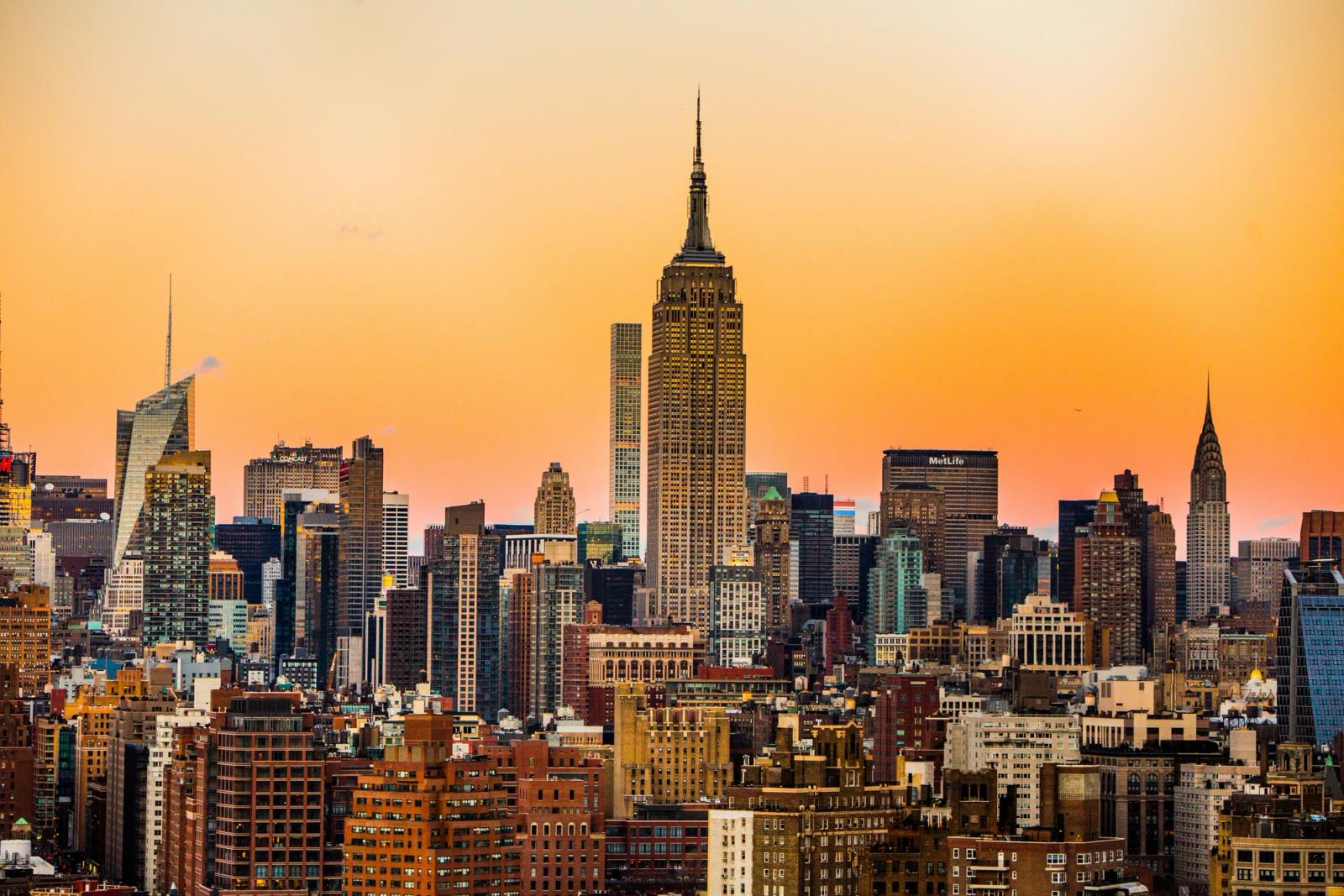
Walk into a gallery in SoHo or stumble across a pop-up in Williamsburg, and youre not just seeing art, youre stepping into a negotiation of identity, rebellion, and reinvention. Unlike cities where art is enclosed in quiet reverence, New Yorks art scene has always been noisy, political, and gloriously imperfect. To understand it is to understand the city itself: a place where culture is currency, and disruption is a tradition.
New York’s rise as an art capital wasn’t a birthright – it was a battle. In the early 20th century, Paris still held the global crown, but by the 1940s, Manhattan began asserting itself as the new nexus of modern art. The shift was catalysed by a mix of war, migration, and daring innovation. With European artists fleeing fascism and American creatives seeking cultural independence, New York became the epicentre of what would be called the New York School, a radical departure from academic traditions.
At the heart of this change was Abstract Expressionism. Artists like Jackson Pollock, Mark Rothko, and Willem de Kooning weren’t just painting, they were redefining what art could be. Pollock’s drip technique, criticised at first, came to symbolise the raw, psychological freedom that post-war America both feared and admired. These artists were helping to shape the nation’s cultural identity during the Cold War.

While the uptown galleries began trading Pollocks like stocks, downtown Manhattan in the 1960s and ’70s gave rise to a different kind of art, a messier, more democratic expression rooted in activism, community, and contradiction. Think lofts in SoHo before the boutiques, or the punk-infused chaos of the East Village. It was here that conceptual art, performance art, and street art gained ground.

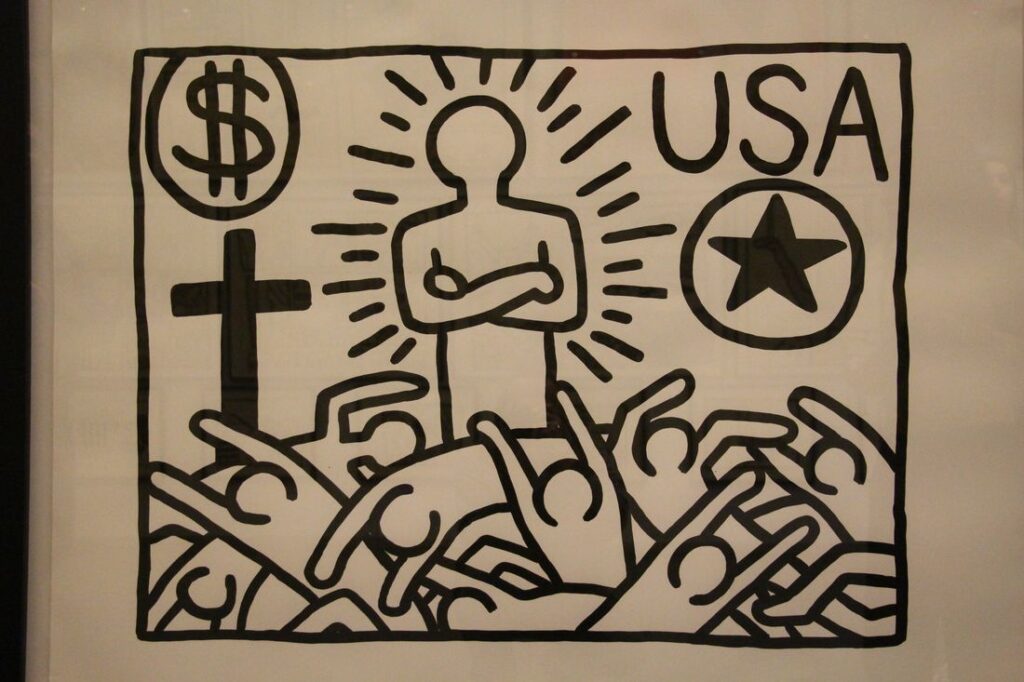
Andy Warhols Factory blurred the lines between celebrity, commerce, and creativity, offering a new blueprint for what an artist could be. Meanwhile, figures like Jean-Michel Basquiat and Keith Haring emerged from the streets and subways, redefining visual language with spray cans and chalk. These artists were pioneers of a new era where the gallery and the graffiti wall held equal weight.
New Yorks art scene during this period was inseparable from the city’s broader struggles: rampant inequality, racial tension and the AIDS crisis. Art became a form of both documentation and resistance.

As time passed, institutions caught up. The Museum of Modern Art (MoMA), the Whitney, and the Metropolitan Museum of Art expanded their collections and mandates to include contemporary and non-Western voices. The 1993 Whitney Biennial, for example, was a flashpoint, drawing criticism and acclaim for its explicit focus on identity politics, AIDS activism, and multiculturalism.

However, as the art market ballooned and global investment flowed in, some began to worry that New Yorks art world was losing its soul. SoHo turned from a warehouse haven to a luxury shopping district. Chelseas gallery scene began resembling a corporate campus more than a creative crucible. The phrase art scene started to sound less like a movement and more like a real estate pitch.
However, art in New York, as always, adapted. Over the last two decades, Brooklyn has become a new creative hub, particularly in neighbourhoods like Bushwick, Red Hook, and Bed-Stuy. Here, artists re-established the DIY ethos, opening alternative spaces, and collectives. This resurgence wasn’t just about geography but reclaiming the narrative from commodification.

Social media and digital tools further democratised the space. Artists of colour, queer artists, and immigrant voices, often marginalised by traditional institutions, found new platforms and audiences. Exhibits like Radical Womenor Greater New Yorkforegrounded underrepresented perspectives. During the 2020 protests, murals, projections, and street performances once again turned the city into an open-air gallery of dissent and demand.

Today, New York stands as a paradox. It is both a global hub of elite art auctions and a bastion of underground resistance. It is home to billion-dollar installations and to illegal wheatpaste posters. What sets the city apart isnt just its museums or its market. Its the tension, the push and pull between establishment and experiment. Nowadays a mural on a boarded-up storefront in the Bronx can spark more conversation than a masterpiece hanging in the MoMA.
As New York Art Week kicks off and TEFAF New York and Frieze open their doors, its worth venturing beyond the main venues to discover what fresh visions are emerging off the beaten path.